INVITED SPEAKER
Invited Speaker
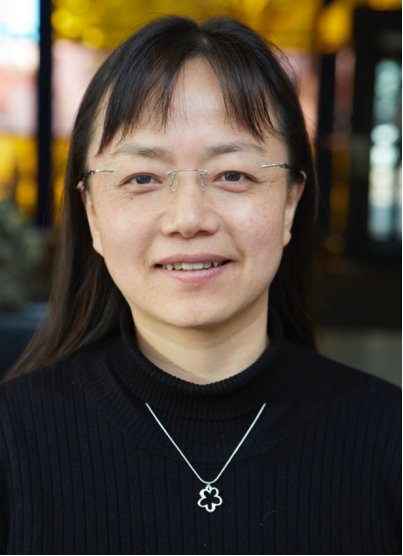
Liangxiu Han
Professor | Manchester Metropolitan University, UK | L.Han@mmu.ac.uk
Bio: Prof. Han is currently a full Professor of Computer Science at the Department of Computing and Mathematics, Faculty of Science and Engineering, Manchester Metropolitan University. Prof. Han is Academic Director for Centre for Digital Data Research, Faculty Lead for AI, Digital and Cyber Physical Systems and Deputy Director of ManMet Crime and Well-Being Big Data Centre. Prof. Han's research areas mainly lie in the development of novel big data analytics/Machine Learning/AI, and development of novel intelligent architectures that facilitates big data analytics (e.g., parallel and distributed computing, Cloud/Service-oriented computing/data intensive computing) as well as applications in different domains (e.g. Precision Agriculture, Health, Smart Cities, Cyber Security, Energy, etc.) As a Principal Investigator (PI) or Co-PI, Prof. Han has a proven track record of successfully leading multi-million-pound projects on both national and international scales (supported by diverse funding sources: UKRI, NIHR, GCRF/Newton, EU, Industry, and Charity) and has extensive research and practical experiences in developing intelligent data driven AI solutions for various application domains (e.g. Health, Food, Smart Cities, Energy, Cyber Security) using various large datasets (e.g. images, numerical values, sensors, geo-spatial data, web pages/texts). Prof. Han has served as an associate editor/a guest editor for a number of reputable international journals and a chair (or Co-Chair) for organisation of a number of international conferences/workshops in the field. She has been invited to give a number of keynotes and talks on different occasions (including international conferences, national and international institutions/organisations). Prof. Han is a member of EPSRC Peer Review College, an independent expert of European Commission for proposal evaluation/mid-term project review, and serves on assessment and panels for UKRI (EPSRC, BBSRC, Innovate UK, MRC etc.) and the British Council.
Speech Title: Meeting Societal Challenges: Scalable Big Data-driven, AI-enabled Approaches
Abstract: This talk will present our latest advances in scalable AI and big data learning, spanning fundamental methodological development and real-world application. Through case studies across domains such as health, it will demonstrate how our scalable AI solutions can support better decision-making, enable innovation and deliver meaningful public benefit.
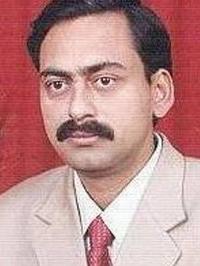
Neelendra Badal
Professor | Kamla Nehru Institute of Technology (KNIT), India | n_badal@hotmail.com
Bio: Dr. Neelendra Badal is a Professor in the Department of Computer Science & Engineering at Kamla Nehru Institute of Technology, (KNIT), at Sultanpur (U.P.), INDIA of Dr. A.P.J. Abdul Kalam Technical University (AKTU), UP Lucknow INDIA (Formerly Uttar Pradesh Technical University, (UPTU), Lucknow (On-Leave). And presently Director of Rajkiya Engineering College, Bijnor. He received B.E. (1997) from Bundelkhand Institute of Technology (BIET), Jhansi (U.P.), INDIA, in Computer Science & Engineering, M.E. (2001) in Communication, Control and Networking from Madhav Institute of Technology and Science (MITS), Gwalior (M.P.), INDIA and PhD (2009) in Computer Science & Engineering from Motilal Nehru National Institute of Technology (MNNIT), Allahabad (U.P.), INDIA. He is Chartered Engineering (CE) from Institution of Engineers (IE), India. He is a Senior Member of IEEE, Member of ACM and Life Member of IE, IETE, ISTE, CSI, India, IoTSocietyofIndia. He has published more than 100 papers in International/National Journals, conferences and seminars. His research interests are Distributed System, Parallel Processing, GIS, Data Warehouse & Data mining, Software engineering, Networking, IoT and Data Analytics.
Speech Title: Future of Visual Intelligence in the Era of Generative AI
Abstract: Visual Intelligence has emerged as one of the most advanced transformative domains of Artificial Intelligence, enabling machines to perceive, interpret, and interact with the visual world in increasingly sophisticated manners. The recent rise of Generative AI has accelerated this transformation by introducing powerful models capable of creating, understanding, and reasoning about visual content with unprecedented accuracy and creativity. In the era of Generative AI, the evolving landscape of Visual Intelligence highlighting how foundation models, vision-language architectures, and multimodal learning are redefining traditional computer vision paradigms. The discussion will focus on the transition from task-specific systems to generalized visual intelligence capable of image generation, scene understanding, visual question answering, content synthesis, and autonomous decision-making. The objective of talk will examine emerging applications across healthcare, smart cities, autonomous systems, education, agriculture, and industrial automation. This demonstrating how generative visual models are creating new opportunities for innovation and societal impact. It will also address critical challenges related to explainability, scalability, biasness, privacy, security, computational sustainability, and ethical deployment of AI-driven visual systems. The aim of the talk is to provide the insights into how Generative AI is shaping the next generation of intelligent visual systems and driving the future of digital transformation to the researchers, academicians, industry professionals, and policymakers by presenting recent advances, future research directions, and global technological trends.

Vesna Zeljkovic
Professor | Lincoln University | vzeljkovic@lincoln.edu
Bio: Vesna Zeljkovic received BS, MS and Ph.D. degrees in electrical engineering. From 1996 to 2004 she was a research and teaching assistant at the University of Belgrade and University of Novi Sad, receiving Ministry of Science and Technology of Republic of Yugoslavia fellowship for the prominent young researchers. Following up on her interest in global electrical and computer engineering education she gained experience and expertise in global academic programs with the emphasis on electrical and computer engineering education. Dr. Zeljkovic taught engineering courses at undergraduate and graduate level in five countries in United States, Saudi Arabia, China, Malaysia and ex-Yugoslavia. Currently, Dr. Vesna Zeljkovic is a full professor at Lincoln University. Her expertise encompasses signal and image processing developing mathematical models and novel algorithms for the analysis of 2D images that have applications in biomedical engineering, video surveillance, analysis of complex optical spectra, public health, industry application, homeland security and national defense. She has more than 100 scientific papers, a book chapter and four books published in these fields. Dr. Zeljkovic serves as a reviewer for peer reviewed journals and conference proceedings. Dr. Zeljkovic mentored graduate and undergraduate students. She participates and organizes different activities at professional meetings of IEEE and other organizations. She is a member of General IEEE GMEPE/PAHCE management team and served as Associate Editor of the IEEE HPCS for years. Dr. Zeljkovic formed IEEE student branch at New York Institute of Technology, Nanjing campus and served as its Branch Counselor. Dr. Zeljkovic is an IEEE Senior Member.
Speech Title: Image Processing Selected Topics Applied in Biomedical Engineering
Abstract: This talk encompasses several different digital image processing approaches applied in selected biomedical engineering domains. Algorithm for brain structural changes documentation of selected image(s) and a tool assisting doctors in accelerated diagnosis and quantification of the degree of abnormality will be presented. Then, three different computer aided acne detection methods, applied in the domain of dermatology, will be outlined: method A that uses CIELAB Color Space, method B based on a saturation component involving sinus hyperbolics function and method C focused on contrast enhancement. Next, quantification of vaccination effectiveness in viral infectious diseases affected patients will be evaluated by the application of algorithm that numerically quantifies visual symptoms of viral infection and comparatively assesses the degree of disease manifestation in two groups of patients vaccinated versus unvaccinated. After that, statistical analysis of mammogram images as a preprocessing phase in computer assisted breast cancer detection to aid assessment and quantitation of breast tissue malformations indicative of benignancy, malignancy or calcification, will be presented. Finally, the multidimensional aspect of the topography flow parameters, applied in cigarette smoking studies, which reflect the physical and chemical characteristics of the tobacco product, will be outlined using data taken from a population-based study, that aim to better understanding the mechanics of factors that affect the dose of tobacco inhalation.
Tianzi Jiang
Professor | Institute of Automation, Chinese Academy of Sciences, China | jiangtz@nlpr.ia.ac.cn
Bio: Tianzi Jiang is Professor and Director of Beijing Key Laboratory of Brainnetome and Brain-Computer Interface at the Institute of Automation, Chinese Academy of Sciences, and Director of International Institute of Brain-Machine Intelligence, Harbin Institute of Technology (Shenzhen). He obtained PhD degree at Zhejiang University and BSc degree at Lanzhou University. His research interests include neuroimaging, Brainnetome, digital twin brain, neuromodulation methods and device, and their clinical applications in brain disorders. He was Chair of Organization of Human Brain Mapping. He was elected a member of the Academy of Europe, a fellow of IEEE, IAPR and AIMBE. He has published over 350 peer-review journal papers. He is the recipient of Glass Brain Award of the Organization of Human Brain Mapping, Hermann von Helmholtz Award of International Neural Network Society, and Natural Science Award of China.
Speech Title: Development and Evolution of the Brainnetome Atlas
Abstract: Brain atlas is an indispensable tool for studying the relationship between brain structure and cognitive function. We proposed to create a new brain atlas - the Brainnetome atlas, using brain connectivity profiles. The Brainnetome atlas lays the foundation for research in brain science and brain-inspired intelligence, and opens a new avenue not only for the study of brain science and brain diseases, but also for brain-inspired intelligence. In this lecture, we first introduce the research background and content of the Brainnetome, including the definition and the main research directions of the Brainnetome, the idea of creating the Brainnetome atlas, and the essential differences from existing brain atlas. Then, we will introduce the applications of the Brainnetome atlas in elucidating brain cognitive mechanisms and precise diagnosis and therapy of brain diseases. Then, we will present the studies on development and evolution of the Brainnetome Atlas. Finally, a summary and perspective on future research directions are provided.
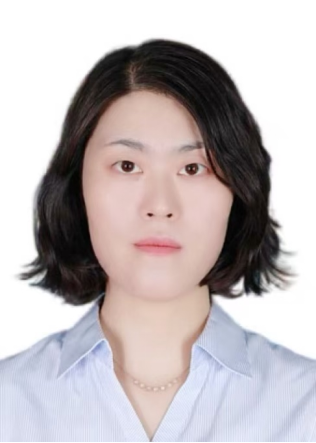
Hongjiao Guan
Associate Professor | Qilu University of Technology, China
Bio: Hongjiao Guan is currently an Associate Professor at Shandong Computer Science Center (National Supercomputer Center in Jinan), Qilu University of Technology (Shandong Academy of Sciences). She received her Ph.D. degree in Computer Science and Technology from Harbin Institute of Technology. Her research focuses on machine learning and natural language processing, with current primary interests covering medical information processing, medical large language models, and affective computing. She serves as a committee member of YSSNLP and Affective Computing under the Chinese Information Processing Society (CIPS) of China. She has led and participated six projects, including the Youth Program of the National Natural Science Foundation of China and Youth Project of the Shandong Provincial Natural Science Foundation. She has published 15 SCI-indexed and CCF papers as the first or corresponding author, and held over 10 authorized invention patents as the first inventor.
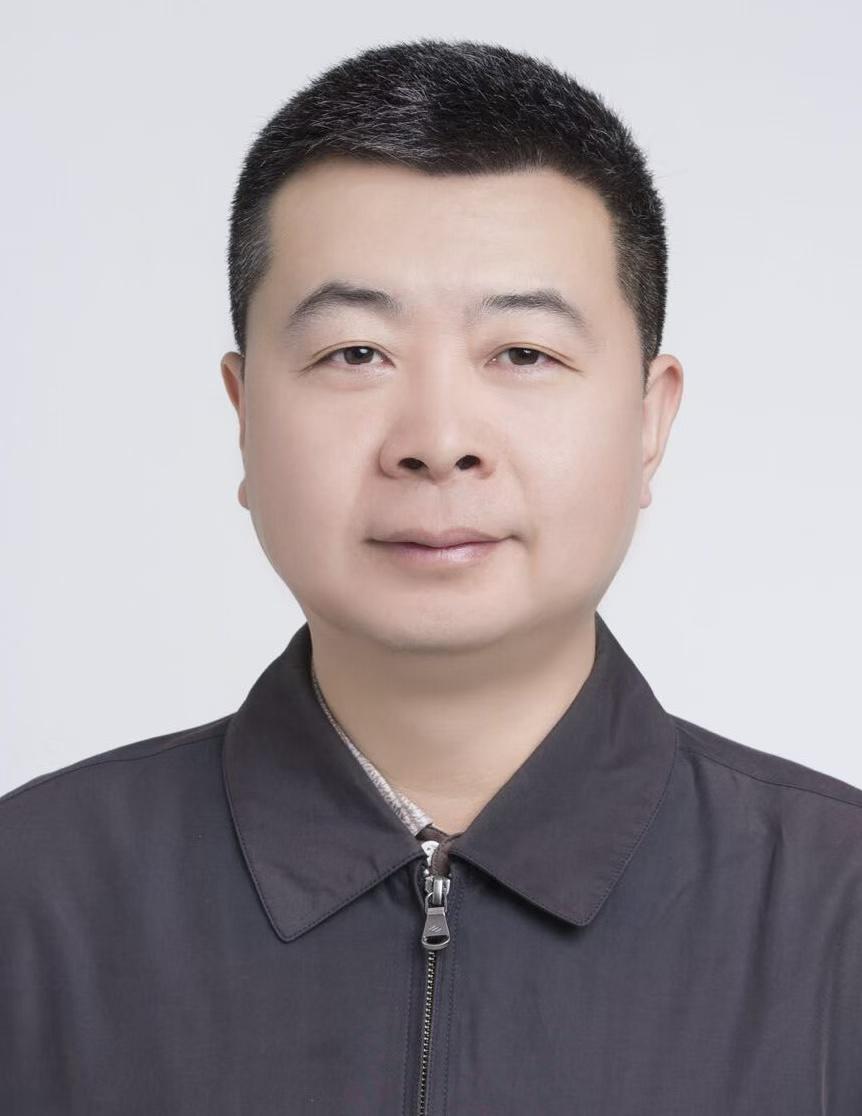
Rui Chen (Onsite)
Associate Professor | Tianjin University, China | ruichen@tju.edu.cn
Bio: Rui Chen (Member, IEEE) received the Ph.D. degree in instrument science from Tsinghua University, China, in 2010. He is currently an Associate Professor with the School of Microelectronics, Tianjin University. He has authored or coauthored one book and more than 80 technical articles in refereed journals and proceedings. His current research interests include generative artificial intelligence technology and large model technology. He has accumulated extensive experience in the design, efficient training, and deployment of various deep neural network models and large models. In recent years, his research achievements have been widely applied to the deployment of large model and agent systems in multiple industry companies.
Speech Title: Multi-Subject Trajectory-Guided Motion Transfer for Text-to-Video Generation
Abstract: Motion transfer has emerged as a promising approach for controllable text-to-video generation, enabling the synthesis of target videos guided by the motion dynamics of a reference video. However, current methods typically rely on simplistic attention mechanisms or basic spatial displacements, causing the features of interacting subjects to remain entangled during complex movements. In this work, we propose DiMo, a novel training-free framework for multi-subject motion transfer. The proposed approach uses semantic object masks to isolate region-aware latent representations from the internal layers of the diffusion model. By computing spatio-temporal gradients across consecutive frames, we extract explicit motion representations, termed Semantic Velocity Flow (SVF). The SVF functions as localized kinematic constraints and adaptive temporal guidance during the generation process. This strategy effectively decouples the motion trajectories of interacting subjects, mitigating representation interference while preserving structural integrity. Extensive experiments demonstrate that DiMo outperforms baseline methods across multiple metrics and human evaluations.
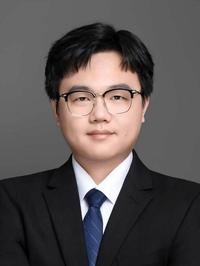
Youneng Bao
Assistant Professor | Shenzhen University, China
Bio: Youneng Bao is an Assistant Professor at the College of Electronics and Information Engineering, Shenzhen University. He received his Ph.D. in Information and Communication Engineering from Harbin Institute of Technology and was a postdoctoral researcher at City University of Hong Kong. His research focuses on intelligent media compression and efficient computing, including learned image and video compression, lightweight neural models, robust coding, and deployment-friendly optimization for ultra-high-definition video, live streaming, VR/AR, and immersive media. He has published papers in leading journals and conferences, including ICCV, AAAI, IEEE T-CSVT, Signal Processing.
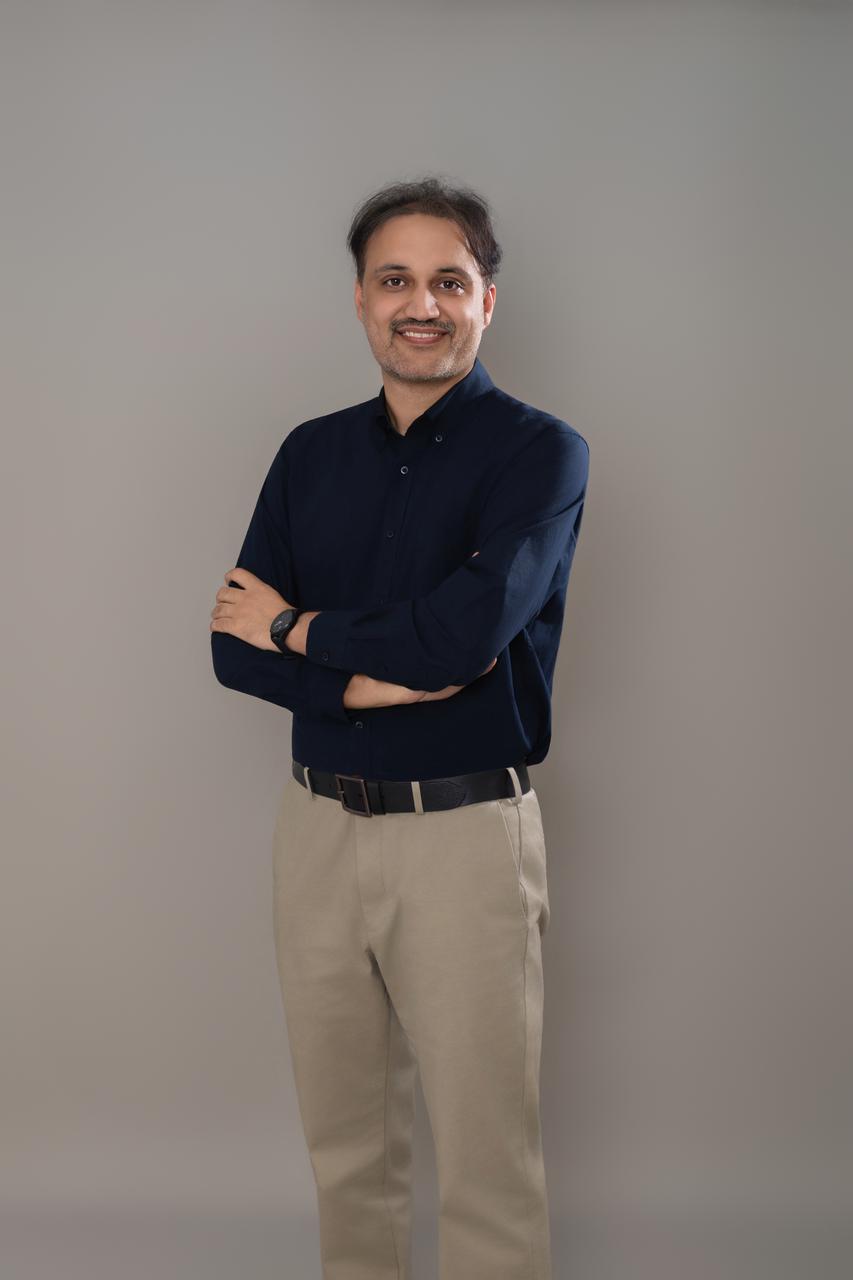
Ahmad Ali
Faculty Member | Hainan Bielefeld University of Applied Sciences, China | ahmadali@alumni.sjtu.edu.cn
Bio: Dr. Ahmad Ali is currently working as a faculty member at Hainan Bielefeld University of Applied Sciences, China. Prior to this, he completed his postdoctoral research at Shenzhen University, China. His main research interests include intelligent transportation systems, big data analytics, machine learning, cloud computing, and edge computing. His research focuses on spatio-temporal data modeling, traffic flow prediction, multimodal data fusion, and intelligent computing methods for smart city applications. Dr. Ali has published high-quality research articles in well-reputed journals, including Information Sciences, Neural Networks, Future Generation Computer Systems, IEEE Transactions on Intelligent Transportation Systems, IEEE Transactions on Consumer Electronics, and Computer Science Review. He has also contributed academic services to several CCF and international conferences, including ICPADS 2025, ICIC 2026, and others.
Speech Title: Exploiting Attention-Driven Weather-Aware Multimodal Spatio-Temporal Fusion for Urban Traffic Flow Prediction
Abstract: Accurate urban traffic flow prediction is an important task for intelligent transportation systems, smart mobility management, and urban congestion control. However, traffic flow is influenced by complex spatial dependencies, temporal variations, and external factors such as weather conditions. This talk will present an attention-driven weather-aware multimodal spatio-temporal fusion framework for urban traffic flow prediction. The proposed approach integrates traffic flow patterns with weather and contextual information to improve prediction accuracy under dynamic urban conditions. By using attention mechanisms, the model can adaptively capture important spatial, temporal, and weather-related features, leading to more robust and reliable traffic forecasting. The talk will also discuss the importance of multimodal data fusion in intelligent transportation systems and its potential applications in smart city traffic management.
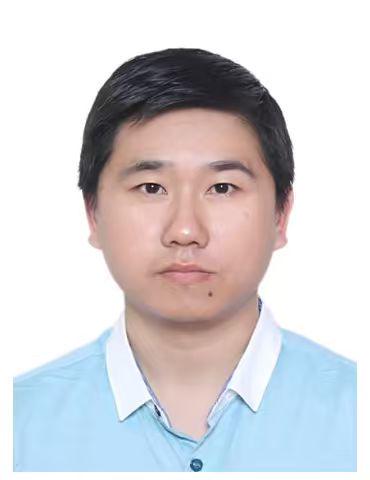
Xin Nie
Professor | Wuhan Institute of Technology, China | nix83@163.com
Bio: Dr. Xin Nie is a Professor at the School of Computer Science and Engineering, Wuhan Institute of Technology. His long-standing research agenda spans software engineering, intelligent optimization and evolutionary computation, machine learning and deep learning, and cloud computing. In recent years, he has led and participated in numerous national and provincial research programs, producing a series of original contributions at the intersection of evolvable hardware, evolutionary optimization, embedded machine vision, and edge intelligence for autonomous systems. He has authored more than sixty peer-reviewed articles in mainstream SCIEI-indexed international journals and in proceedings of flagship conferences such as those sponsored by IEEE and ACM, and holds multiple national invention patents and software copyrights. Prof. Nie serves on the editorial boards of several SCIESCI-indexed journals and is a member of the technical program committees of various international conferences, actively contributing to their academic organization. He is a member of the IEEE, the China Computer Federation (CCF), the Chinese Association for Artificial Intelligence (CAAI), and a senior member and committee member of the Chinese Institute of Command and Control (CICC). His research group continues to advance the state of the art in lightweight Transformer architectures, edge-centric autonomous vision, multimodal fusion, and few-shot learning, with demonstrated deployments in intelligent sports analytics, unmanned systems, and industrial defect detection.
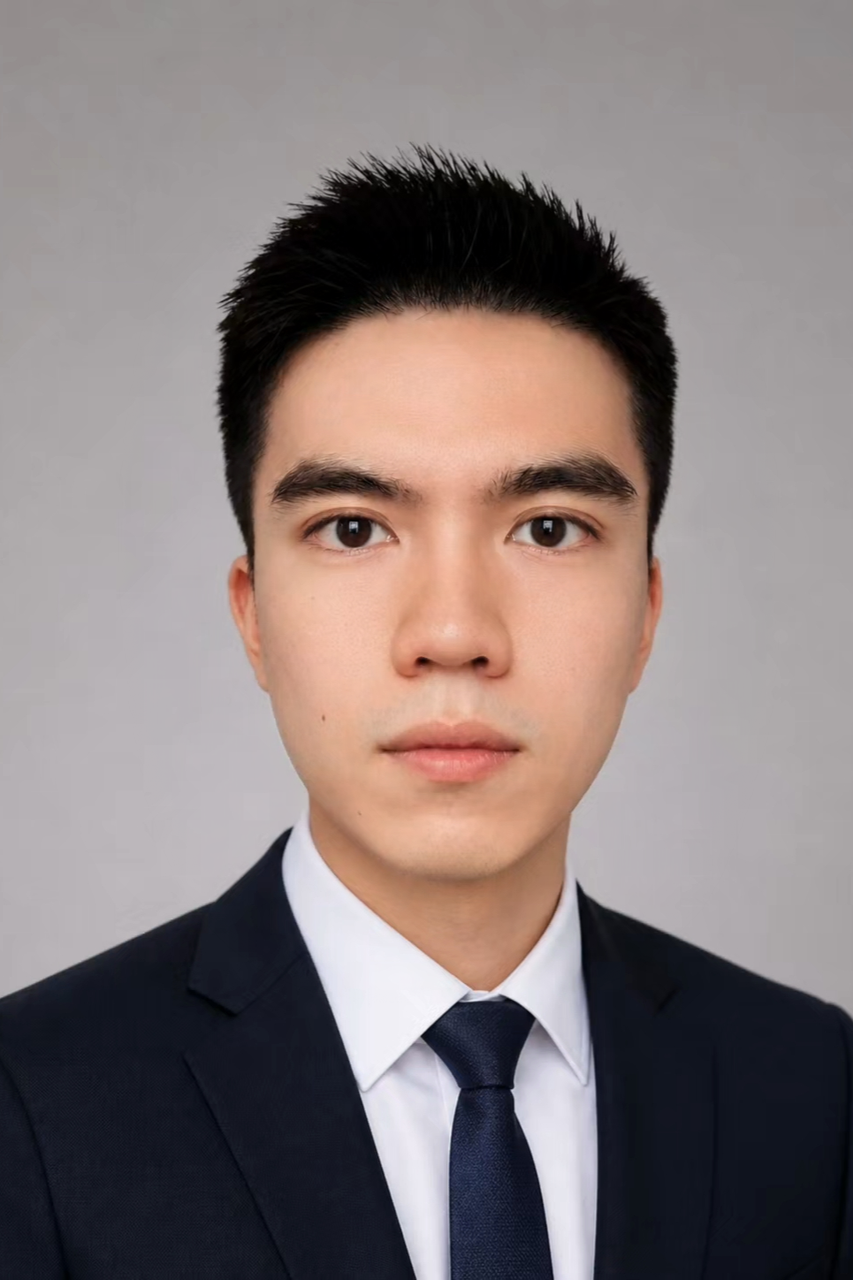
Thong Ming Sen
Advocate and Solicitor | University of Malaya, Malaysia | mingsen@hotmail.my
Bio: Dr. Thong Ming Sen is an Advocate and Solicitor of the High Court of Malaya and his area of expertise is in capital markets law, legal tech, and FinTech regulation. As an ex-Legal500 rising star–turned-Web3 aficionado, Dr. Thong was part of a team of researchers who were the first to report on regulatory issues in the blockchain space in Malaysia. Dr. Thong who holds an LLB (Hons) from the University of London, a Master of Laws (LLM) (Distinction), and a Doctor of Philosophy (PhD) in law from Universiti Malaya is the author of the monograph Blockchain for Financial Governance in Malaysia and Singapore: Transforming Regulatory and Shariah Compliance to Drive Financial Inclusion (Springer, 2025).
Speech Title: From Explainable AI to Verifiable AI: Building Trustworthy and Accountable AI Systems through Distributed Ledger Technologies
Abstract: As artificial intelligence (AI) systems become increasingly embedded in critical digital infrastructures, concerns regarding transparency, accountability, auditability, and trust continue to grow. While explainable AI has emerged as an important approach to enhancing transparency, explainability alone may not be sufficient to ensure verifiable compliance and accountability in complex AI-driven environments. The presentation explores the concept of verifiable AI and examines how distributed ledger technologies such as blockchain can complement existing AI governance mechanisms by providing immutable audit trails, transparent decision records, and verifiable compliance frameworks. Drawing upon developments in AI governance, blockchain regulation, digital identity, and public-sector innovation, the presentation proposes a multidisciplinary framework for strengthening trust in next-generation digital ecosystems while balancing innovation, regulatory compliance, and public accountability.
Wali Samad
Associate Professor | Quanzhou University of Information Engineering, China | Onsite
Bio: Dr. Wali Samad is an Associate Professor at Quanzhou University of Information Engineering, China. He received his Bachelor of Science in Mathematics and Physics from Forman Christian College, affiliated with the University of the Punjab, Lahore, Pakistan, in 2007, and his Master of Science in Applied Mathematics from The Islamia University of Bahawalpur, Pakistan, in 2009. He subsequently studied Chinese Language at Nankai University, Tianjin, China, before pursuing his Ph.D. in Computational Mathematics at the School of Mathematical Sciences, Nankai University, which he completed in 2018. Dr. Samad conducted postdoctoral research at the School of Information and Communication Engineering, University of Electronic Science and Technology of China (UESTC), from 2018 to 2020 and again from 2023 to 2024. Between these appointments, he served as an Assistant Professor in the Department of Mathematics at Namal University, Pakistan. His research interests include medical image analysis, image segmentation, image restoration, level set methods, optimization algorithms, inverse problems, and artificial intelligence. He has published numerous high-impact research articles in leading international journals and conferences and has made significant contributions to the development of advanced mathematical and computational methods for medical image processing.
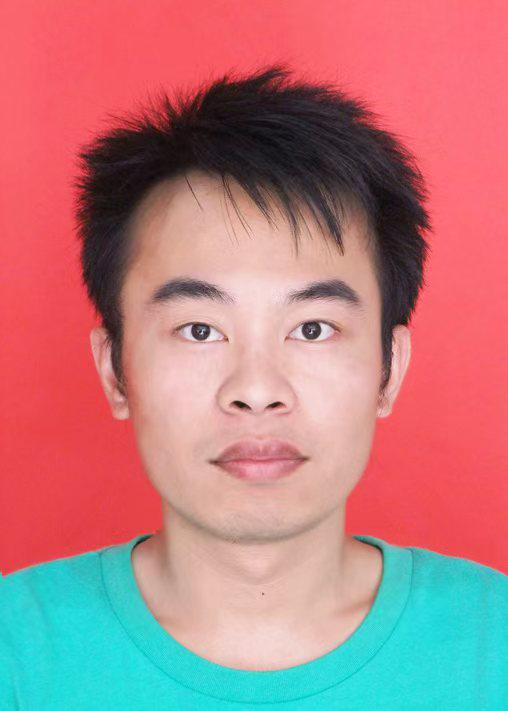
Guoping Xu
Lecturer | Wuhan Institute of Technology, China | xugp2006@126.com
Bio: Dr. Guoping Xu serves as a Lecturer and Master's Supervisor at Wuhan Institute of Technology. He earned his Ph.D. in Information and Communication Engineering from the School of Electronic Information and Communications, Huazhong University of Science and Technology. During his doctoral studies, he received joint training at the University of Pennsylvania (2016–2018) and Harvard University (2019). Following graduation, he undertook two postdoctoral appointments, respectively at Harvard University (2023–2024) and UT Southwestern Medical Center (2024–2026). His core research interests span biomedical imaging, computer vision, and deep learning, with dedicated work on image segmentation, image registration, object tracking, and quantitative disease evaluation. To date, he has authored over 60 peer-reviewed academic papers and holds 8 patents, and his research outputs have garnered more than 1,500 citations.
Speech Title: Fundamental Development of Deep Learning in Computer Vision: A Systematic Review
Abstract: This presentation systematically surveys landmark studies and pivotal methodological breakthroughs driving the evolution of deep learning within computer vision. We classify mainstream progress into six core dimensions: data augmentation, neural network architectures, optimization algorithms, feature representation and manipulation, learning paradigms and downstream tasks, and fundamental design principles for high-performance deep neural networks. For each dimension, we elaborate on representative foundational techniques validated with outstanding effectiveness, robustness and generalization across diverse visual tasks. We further conduct critical analysis of open challenges, inherent limitations, and promising emerging research frontiers in contemporary computer vision.
ICIVC 2026
Welcome
About
ICIVC is an ideal platform to exchange insights and discuss the development of image, vision and computing. It has been held in Porthmouth, UK; Chengdu, Dalian, Xi'an, China, etc...